
More people are seeking companionship than ever before-not just for sex, but for connection, conversation, and emotional presence. In cities like London, Paris, and even Sydney, the demand for professional companionship has shifted. It’s no longer just about physical intimacy. People are looking for someone who listens, who makes them feel seen, who can be a partner in the moment-even if only for an evening. And for many, that means seeking out women from African backgrounds, drawn by cultural allure, confidence, and a perceived authenticity that’s hard to find elsewhere.
While this trend is growing globally, it’s not new. In places like Dubai, the industry operates under a complex legal gray zone. adultwork dubai has become a known platform where individuals connect with companions, often with a focus on cultural diversity. It’s not about legality-it’s about demand. And that demand is real, even if it’s rarely talked about openly.
Why African Women Are in High Demand
There’s no single reason why African women are sought after in the escort industry. But the patterns are clear. Many clients describe them as more expressive, more emotionally available, and more confident in their sexuality. These aren’t stereotypes-they’re observations from thousands of interactions over the past decade. African women, particularly those from Nigeria, Kenya, South Africa, and Ghana, often bring a cultural richness to their interactions. They’re not just fulfilling a role; they’re bringing their identity, their stories, their humor, and their resilience into the room.
This isn’t about exoticization. It’s about recognition. Many of these women have moved abroad for education, work, or family reasons-and found that their ability to connect deeply with others became a source of income and independence. For some, it’s temporary. For others, it’s a long-term career choice, one they’ve built with boundaries, safety protocols, and clear contracts.
The Reality Behind the Scenes
What you don’t see on social media or in marketing photos is the work that goes into being an escort. It’s not glamorous. It’s exhausting. These women manage their own schedules, handle payments, screen clients, and often deal with loneliness, stigma, and emotional burnout. Many work alone. Some have assistants or managers. But the emotional labor is always theirs.
They don’t just show up and smile. They research their clients. They learn about their interests. They prepare for conversations about travel, politics, art, or trauma. One escort in Johannesburg told me she spent three weeks reading up on Scandinavian history because a client kept mentioning it. She didn’t want to just play a role-she wanted to be credible.
The industry is not regulated. There’s no union. No health checks are mandatory in most places. That’s why many rely on peer networks. They share client names, warn each other about dangerous people, and sometimes even rent apartments together for safety. It’s a community built out of necessity, not choice.
How It Compares to Other Regions
In places like Germany or the Netherlands, sex work is legal and regulated. Workers get health insurance, can report abuse without fear, and have access to legal support. But in most countries-including Australia, the U.S., and the UAE-it’s not that simple. In Dubai, for example, sex work is illegal. Yet, sex workers in Dubai operate in plain sight through private appointments, luxury hotels, and discreet networks. Dubai sex workers often work through referral systems, not apps. They’re vetted by word of mouth. They’re not advertising on public platforms. They’re not on Instagram. They’re not on TikTok. They’re in encrypted chats and private WhatsApp groups.
That’s why platforms like adultwork dubai exist-not as flashy marketplaces, but as quiet directories. They don’t show photos. They don’t promise romance. They list names, languages spoken, availability, and sometimes, specialties. Clients use them like a phonebook, not a dating app.
The Emotional Economy
The most misunderstood part of this industry is the emotional exchange. Clients aren’t just paying for sex. They’re paying for attention. For validation. For someone who doesn’t judge them for being lonely, for being divorced, for being scared of aging, for being out of touch with their own emotions. One client in Melbourne, a 58-year-old accountant, said he’d been seeing the same Nigerian escort for two years. He never had sex with her. He just needed someone to talk to about his daughter’s addiction. She listened. She didn’t fix it. But she didn’t walk away either.
That’s the real value. It’s not physical. It’s human.
Legal Risks and Personal Safety
Working in this industry comes with real danger. In many countries, even being seen with a known escort can lead to social ruin. In Dubai, the penalties for involvement in sex work are severe-fines, deportation, jail. That’s why many women operate under false visas, or as students, or through family sponsorship. They hide their work from everyone-even close friends.
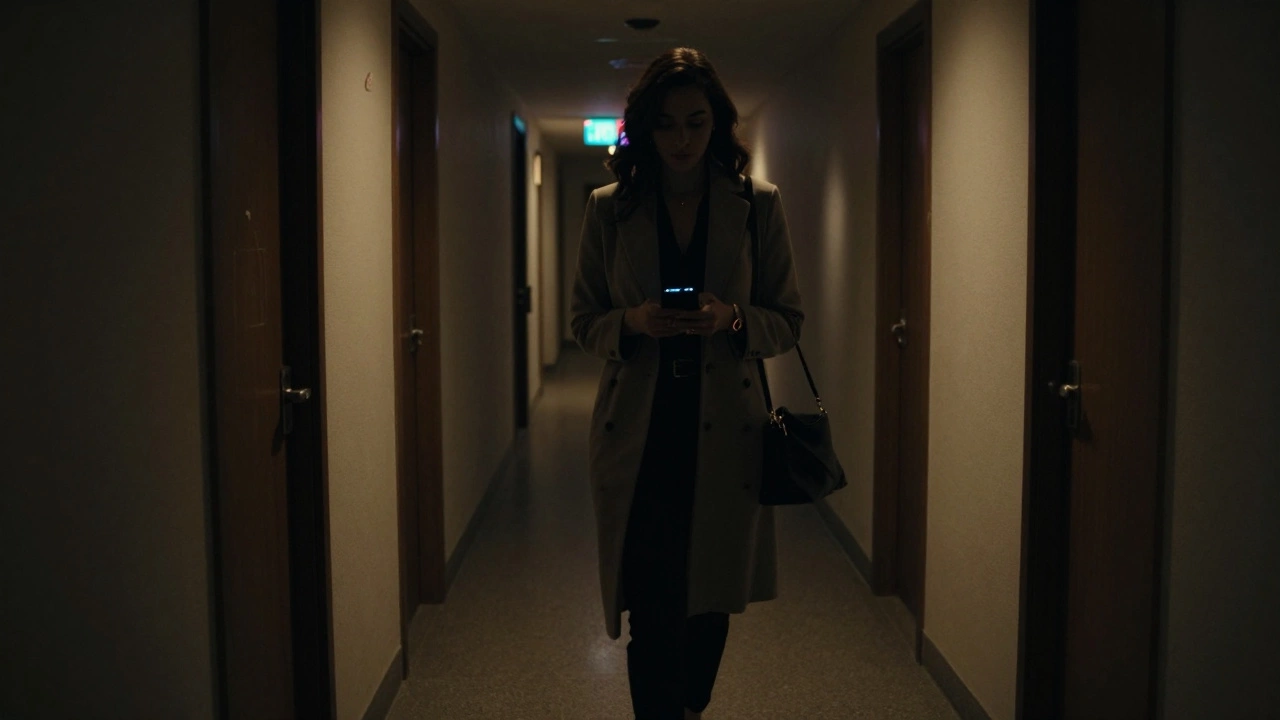
And yet, they still find ways to protect themselves. Many use burner phones. They meet in public places first. They record every interaction. They have emergency codes with trusted friends. One woman from Lagos told me she keeps a hidden button in her purse that sends her location to three people at once. If she doesn’t check in within 15 minutes, they call the police.
It’s not paranoia. It’s survival.
What Clients Really Want
Most clients aren’t looking for a hooker. They’re looking for a moment of peace. A woman who doesn’t ask for anything in return. Who doesn’t need to fix their life. Who just sits with them. A lot of them are men over 40. Divorced. Widowed. Isolated. They don’t want a girlfriend. They don’t want a wife. They want someone who can be present without demanding more.
And that’s what African women often provide-not because they’re “exotic,” but because they’ve learned how to read people. Many come from cultures where emotional intelligence is taught early. Where silence is respected. Where presence matters more than words.
The Future of Companionship
AI companions are rising. Chatbots that simulate intimacy. Virtual girlfriends that never get tired. But they can’t hold your hand. They can’t cry with you. They can’t tell you about their childhood in Accra or how they missed their mother’s funeral because they couldn’t afford a ticket.
As long as people feel lonely, there will be a demand for real human connection. And as long as that demand exists, women from Africa-and everywhere else-will find ways to meet it. Not because they’re forced. Not because they’re desperate. But because they’ve chosen it. And they’re good at it.
The industry won’t disappear. It will evolve. And maybe, one day, it won’t be hidden. Maybe it’ll be seen for what it is: a form of labor. A form of care. And a form of courage.